School of Engineering Online Programs Think Like an Engineer. Solve Real Problems. Build What Lasts.
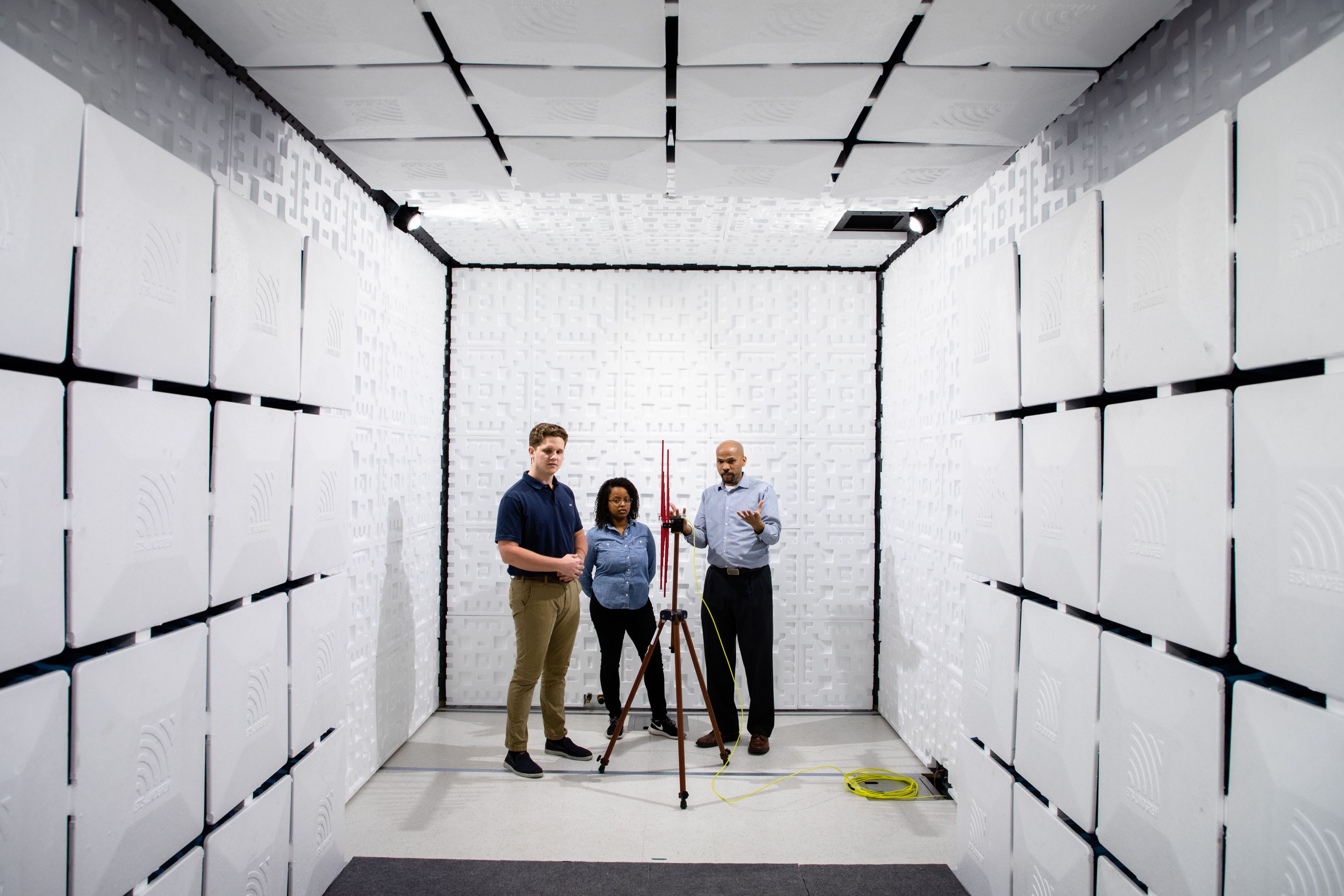
Study Systems, Design, and Problem-Solving in Liberty’s School of Engineering
Liberty’s School of Engineering, founded in 2007, brings together technical study, structured thinking, and applied problem-solving. Engineering often centers on how systems function and how they can be improved over time. Through online engineering education, you will study how infrastructure systems, operations systems, and engineering processes connect across real-world environments.
This space can serve a range of students at different stages of life. You may be beginning your path in engineering, or you may be going back to school for engineering to pursue a new direction or expand your current responsibilities. You may also be balancing work or family commitments and need a format that supports flexibility while you study engineering online.
You may find this area of study aligns with your goals if you:
- Are interested in engineering majors and technical fields
- Are preparing for long-term growth in technical or leadership roles
- Are returning to school to build new skills or direction
- Enjoy problem-solving and analytical thinking
- Want to study engineering online while balancing other responsibilities
Programs within Liberty’s School of Engineering are structured to connect systems design with communication, coordination, and decision-making. You will examine how engineering communication and cross-functional collaboration shape outcomes across technical settings. In some cases, coursework may include short in-person intensives in Lynchburg, Va., offering focused opportunities for hands-on engagement.



Backed by a brick-and-mortar campus ranked as Niche.com’s #2 Best College Campus in America for 2026
What Sets Us Apart?
- Private Nonprofit University
- 600+ Online Degrees
- No Standardized Testing for Admission
- Transfer in up to 75% of an Undergrad Degree
- Transfer in up to 50% of a Grad/Doctoral Degree
Connect Cross-Functional Collaboration and Communication in One of Our Engineering Majors
Our engineering programs online can offer a starting point for understanding how different areas of engineering connect and where your interests may fit. As you review your options, you can begin identifying whether your strengths align more with systems design, operations systems, or coordination within technical environments.
As you consider your next step, it can help to reflect on how you approach problems and decisions. Some individuals are drawn to infrastructure and long-term development, while others focus more on efficiency, process improvement, or leadership within structured settings. From there, you can begin exploring the engineering programs available through Liberty’s School of Engineering and identifying a direction that matches your goals.
Bachelor’s
Master’s

Not sure what to choose?
Speak to one of our admissions specialists to help you choose the program that best fits your needs.
Study Under Faculty Who Bring Engineering and Industry Experience
Faculty within Liberty’s School of Engineering bring experience from both academic and applied environments. Their backgrounds include work in infrastructure systems, operations systems, and project coordination, which can shape how course content is presented. This perspective allows you to study engineering concepts within practical and professional contexts.
Throughout your coursework, you will engage with instructors who understand both technical systems and organizational dynamics. Many engineering courses online are structured to highlight engineering communication, cross-functional collaboration, and structured decision-making. This approach can help you examine how ideas move from concept to implementation across different settings.
I want to design and support systems that serve communities
I want to improve processes and optimize operations
I want to manage projects in technical environments
I want to focus on efficiency and continuous improvement
I want to lead teams and make strategic decisions
Military
Liberty University is dedicated to providing world-class educational experiences to military students across the globe.
Who May Qualify?
- Active Duty
- Reserve/National Guard
- Veterans/Retirees
- Spouses of Service Members and Veterans/Retirees
- Current Department of Defense Employees
Available Benefits:
- Tuition discounts – $250 per credit hour for undergraduate, $310 per credit hour for graduate, and $395 per credit hour for doctoral courses*
- Additional discount for veterans who serve in a civilian capacity as a First Responder**
- 8-week courses, 8 different start dates each year, and no set login times (may exclude certain courses such as practicums, internships, or field experiences)
*For eligible current and former service members and their spouses. Learn more!
**Not applicable to certificates. Cannot be combined with the $395/credit hour doctoral military rate.
These rates are reflective of academic year 2026-2027. Tuition rates may change annually. For the most current information, please visit our LU Tuition Cost page.
Frequently Asked Questions About Engineering Programs Online
What is engineering, and what do engineers do?
Can you study engineering online?
Engineering vs. computer science – what is the difference?
What is the difference between engineering and engineering technology?
What kind of engineer should I be?
Inner Navigation
Have questions?