Students gain hands-on research skills during ASSURE summer science program
July 2, 2026 : By Ryan Klinker - Office of Communications & Public Engagement


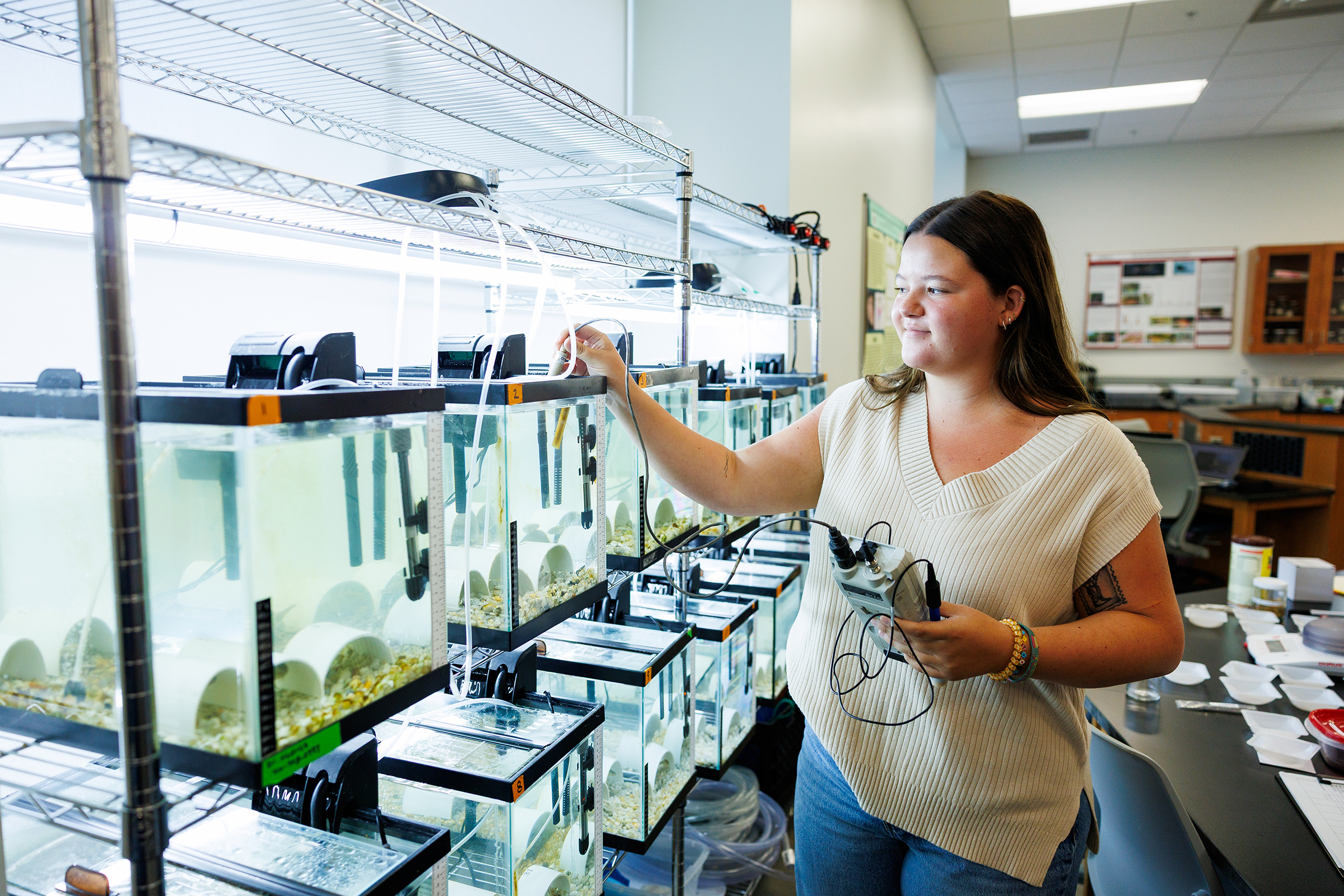
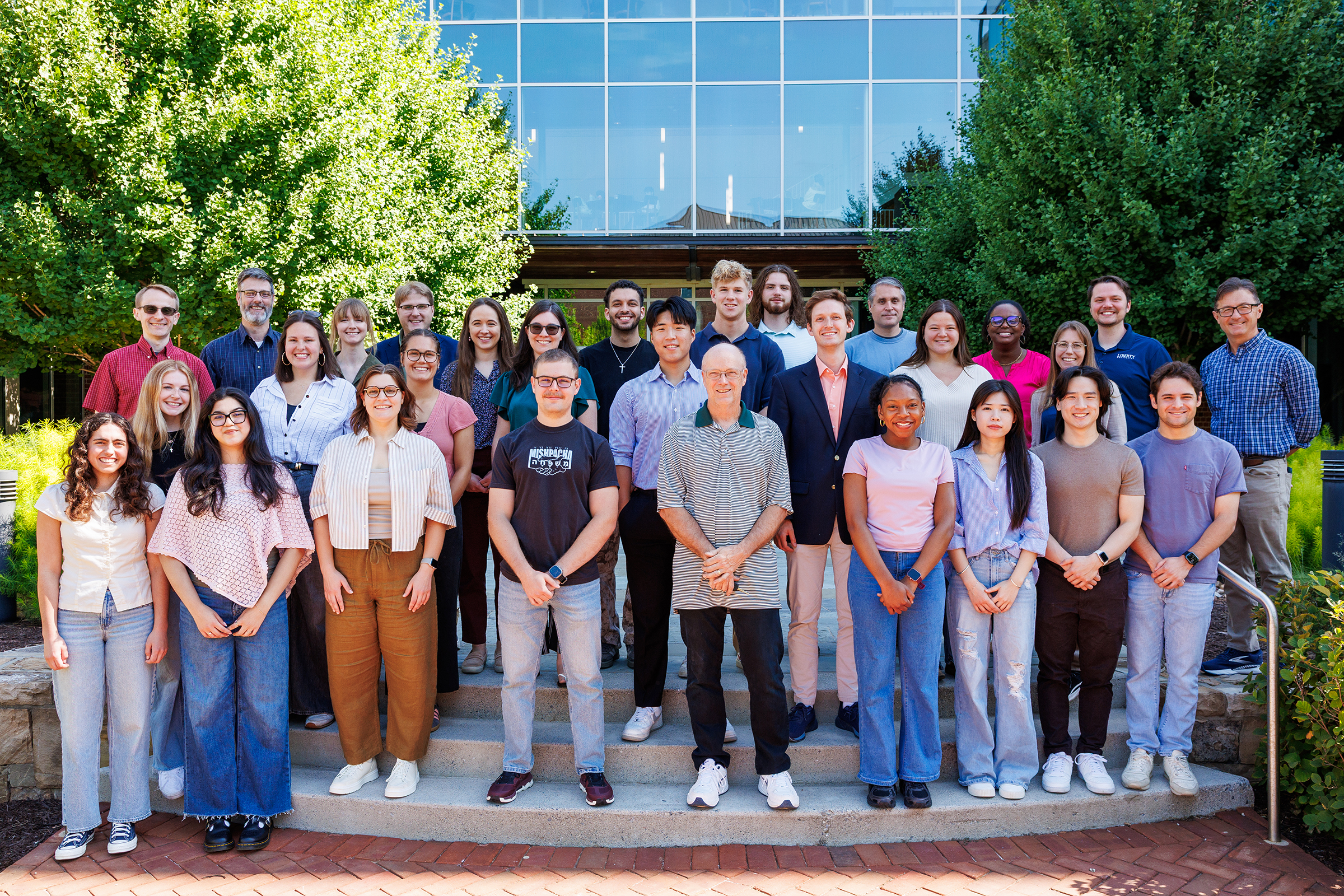
Liberty University’s ASSURE program, an annual six-week summer intensive through the School of Health Sciences’ Department of Biology & Chemistry, concluded last month with its largest participation yet, with 36 students gaining research experience under the supervision of 16 faculty members.
ASSURE (Acquiring Skills for Students Underrepresented in Research Experience), now in its fifth year, is designed for students from historically underrepresented demographic groups in the sciences, such as women, ethnic groups, and first-generation college students. Groups of undergraduate students are assigned to a professor and receive valuable mentoring as they conduct new or ongoing scientific studies.
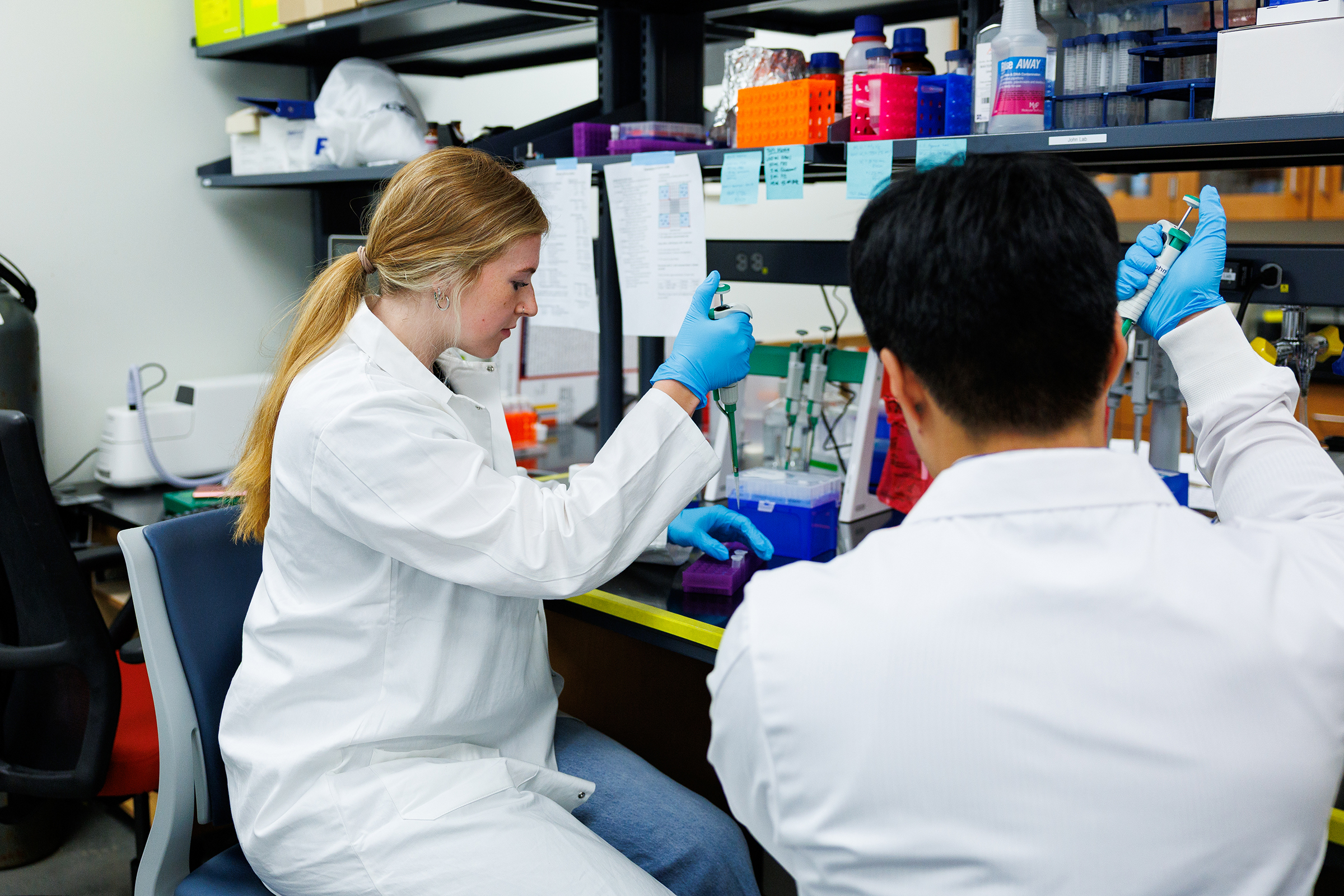
“ASSURE exemplifies what it means to prepare the next generation of scientists—not only through knowledge, but through rigorous research discovery and intentional mentorship,” said School of Health Sciences Dean Dr. Heidi DiFrancesca. “Students aren’t simply observing science — they’re doing it, refining critical skills and gaining clarity and conviction that will shape their future paths. Students move beyond learning about science to actively advancing it. As they engage complex questions, develop critical skills, and build confidence in their abilities, they begin to see themselves as future researchers, innovators, and leaders. By expanding access to these transformative experiences, ASSURE creates meaningful access to research experiences that can shape a student’s entire trajectory, helping develop a stronger and more vibrant future for the scientific community.”
The research projects this summer spanned many scientific disciplines, from biochemistry to genetics, neuroscience, environmental science, and materials chemistry. The work was collectively aimed at advancing understanding of complex biological systems and their real-world applications.
Dr. Gregory Raner, who has taught Biochemistry at Liberty for 10 years and led ASSURE for the past four years, said the program has opened many students’ eyes to the realities of research and has better equipped them for their future careers.
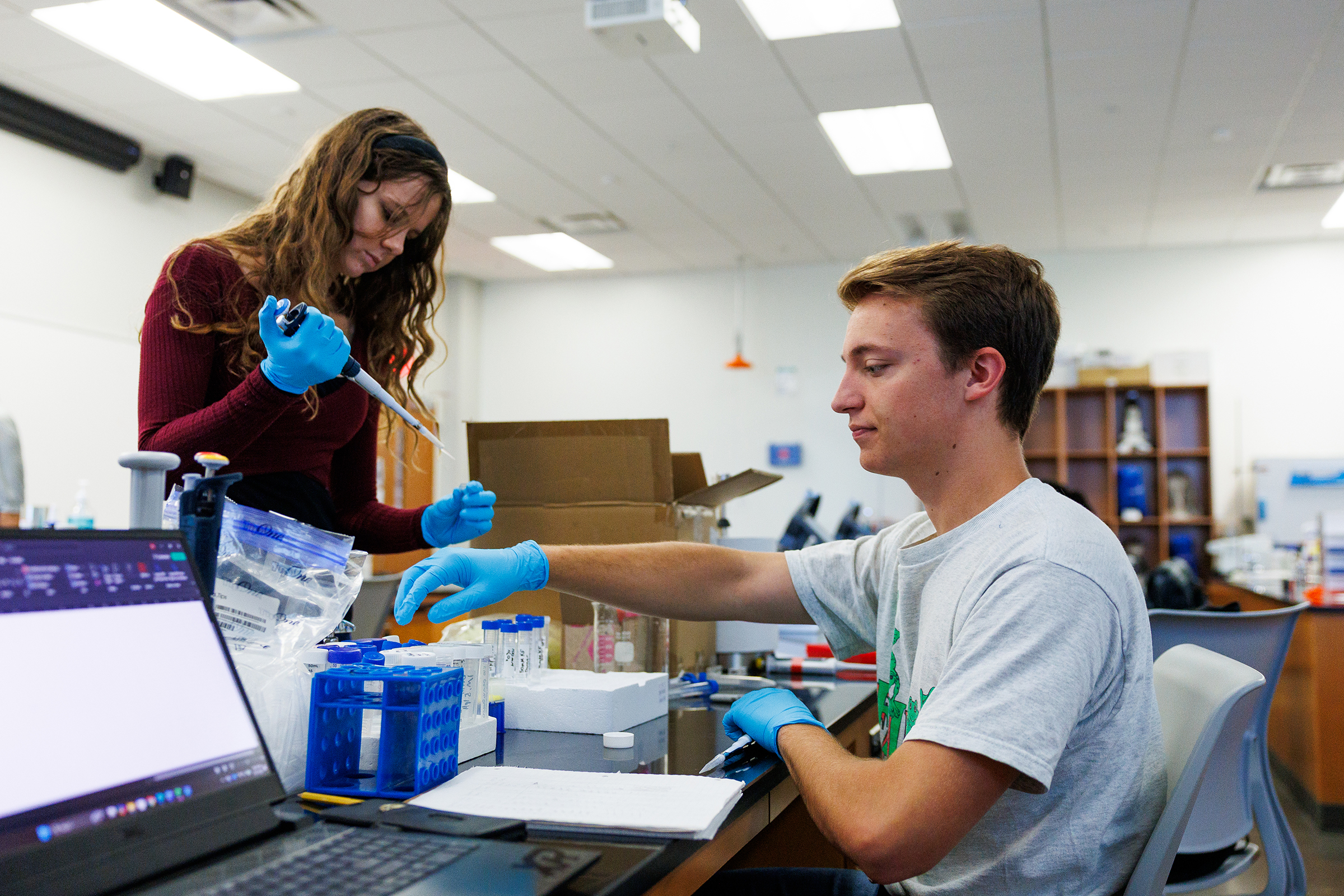
“Their exposure to actual intense research over the summer has had a huge impact on their decision to pursue research or just on their understanding of what it actually takes to do research, as well as the sense of fellowship and the camaraderie,” he said. “The reality of research is that there’s a lot of trial and error but also trial, evaluation, and then adjustment. The overall goal of the program is to help students create an identity in science, and we see that each year.”
Raner and his four ASSURE students studied plant enzymes with potential biotechnological significance, including one found in pumpkin skin that has the ability to degrade certain environmental toxins. Raner has continued this project of studying peroxidases — enzymes that catalyze the oxidation of various substances by peroxides — for six years now, and the many avenues of possible findings for the study made it a natural fit for the ASSURE program.
“There are so many different applications for studying this enzyme that the students who join the project can pick up a new application and pursue that or step into a project that’s ongoing,” he said. “Sometimes they do both because they have quite a bit of time over the summer to do many different things, and so I can have them working in different areas simultaneously.”
Biomedical science master’s student Idah Longwe and biomedical science junior Joshua Montgomery worked under Raner, and both said they participated in ASSURE to help them in their career goals.
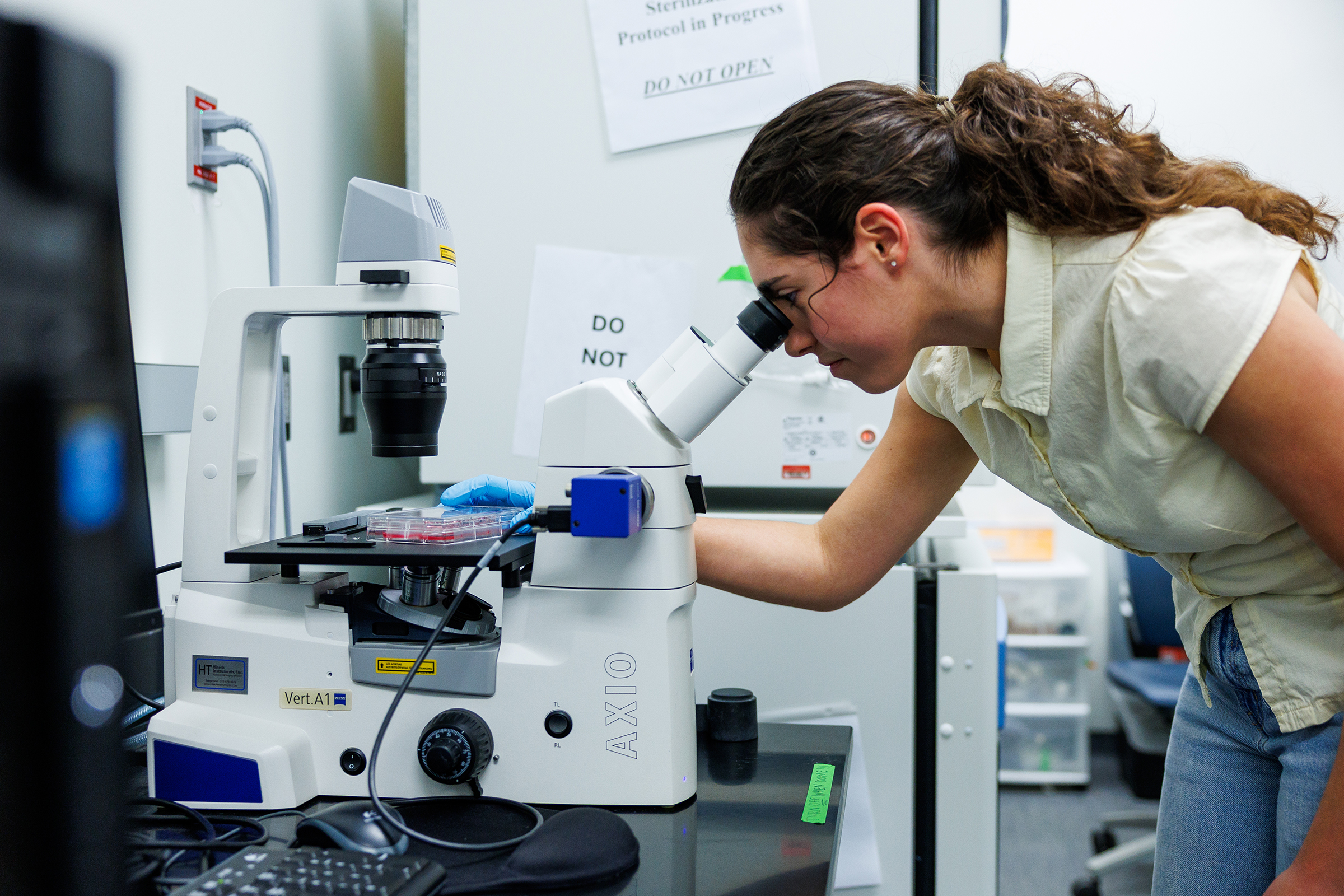
“For me, it was the obvious focus on research that drew me to (ASSURE), exploring different areas connected to my program of biomedical science, where research is a major part,” Longwe said. “I was interested to learn more about research and be able to familiarize myself with it. It’s been fascinating to learn how these enzymes from something like a pumpkin’s skin can help break down (hazardous) compounds.”
“I know I’m going to need research experience for medical school applications, and research is such an important part of medicine, so this has been a great introduction to how that process works,” Montgomery said. “The project I’m working on is really interesting, and I’m happy with it.”
ASSURE is funded by a grant from Liberty’s Office of Sponsored Programs & Research and supported by the Office of the Provost.