Public health trip brings physical, spiritual care to communities in Guatemala, El Salvador
August 31, 2026 : By Ryan Klinker - Office of Communications & Public Engagement


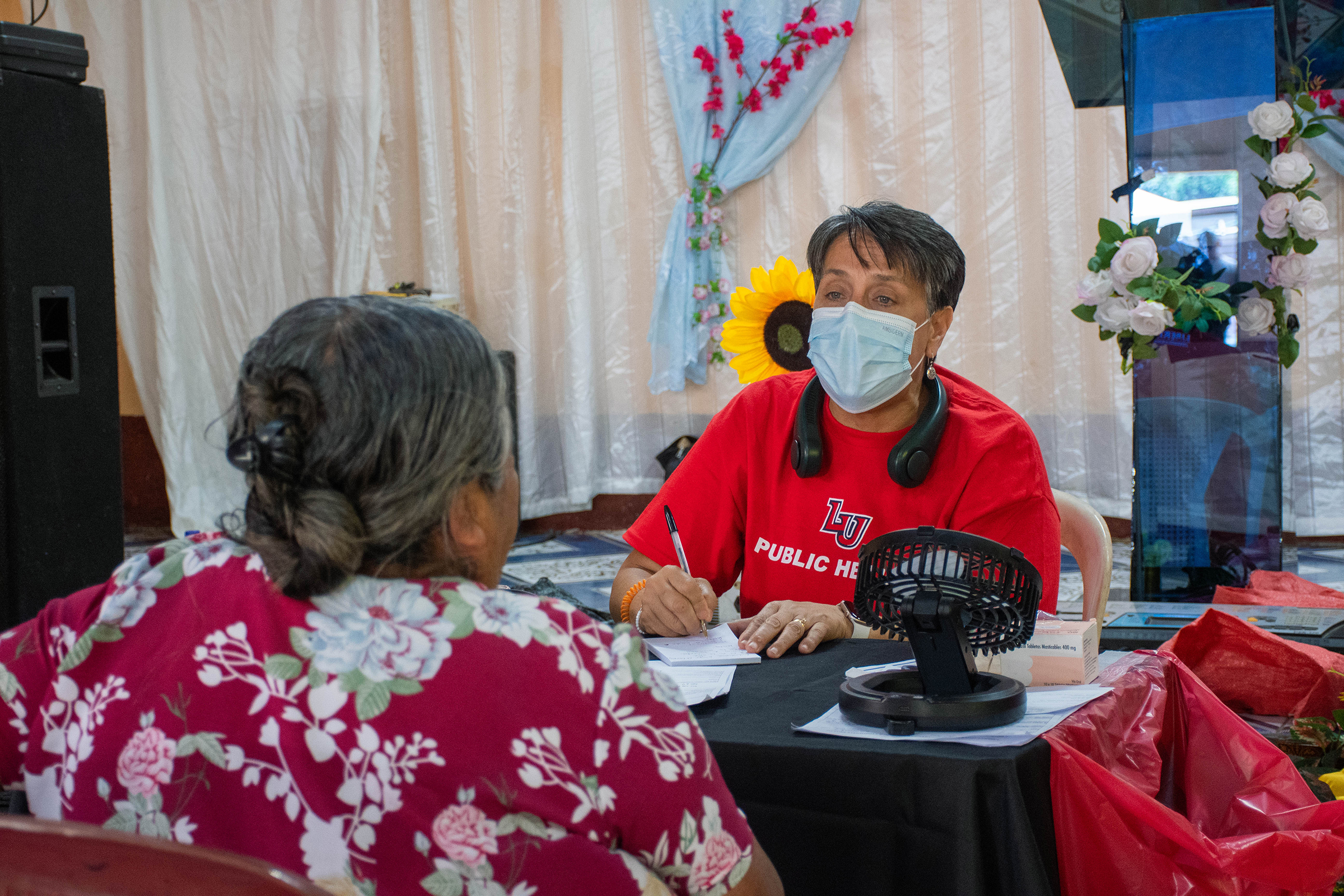
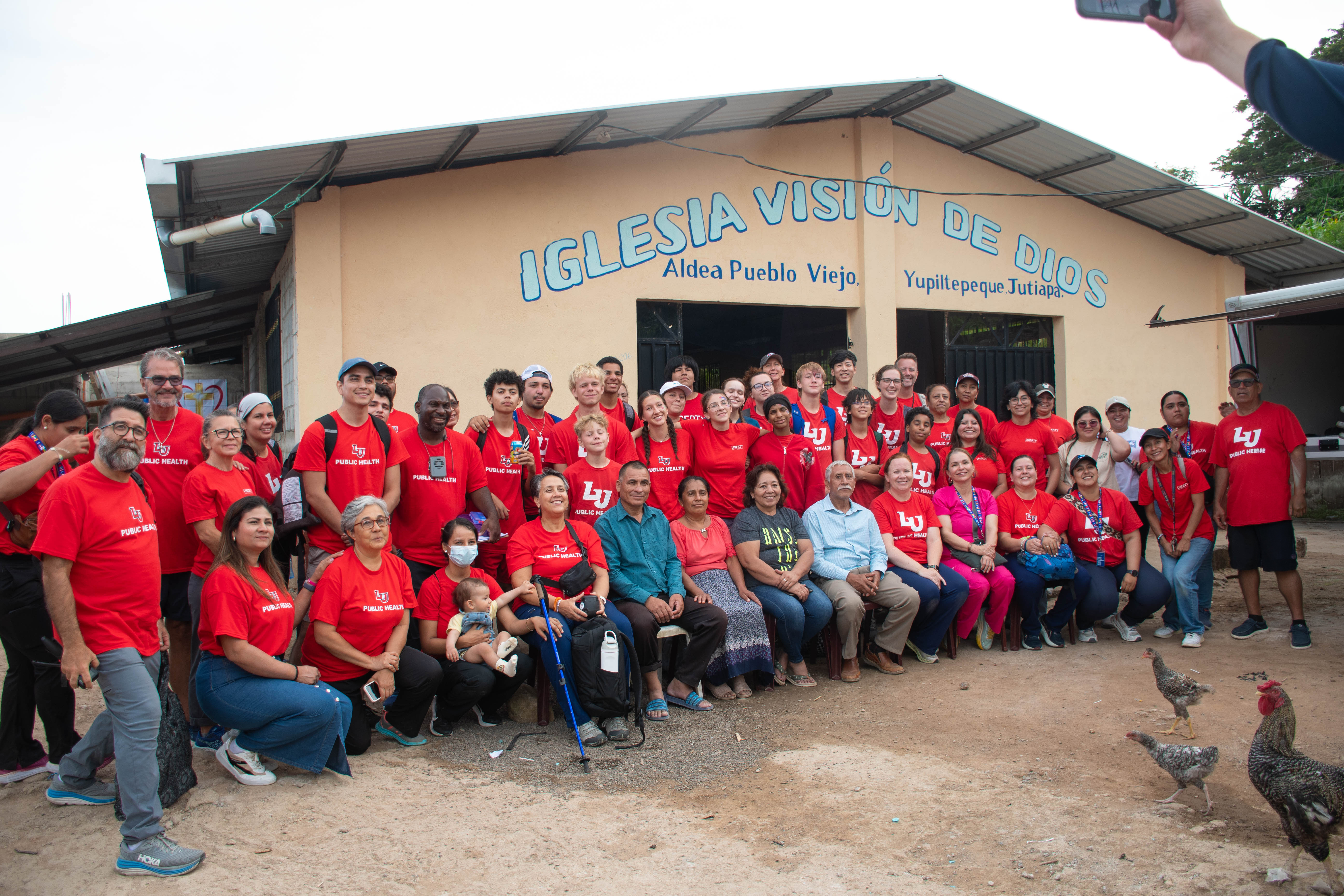
Last month, two Liberty University public health professors and two graduate students joined a team of local and international medical workers to identify priority health needs in underserved communities in the areas of Jutiapa, Guatemala, and Santa Ana, El Salvador.
The trip marked the seventh that Drs. Oswald Attin and Gineska Castillo have led to Central America — primarily to Guatemala — to conduct community health assessments, preventive health screenings, and educational presentations in collaboration with local church partners, all part of a project to study the health of various Hispanic communities. Attin said the goal for the project is to visit all 22 departments (provinces) in Guatemala, as well as possible bordering regions with nearby countries like El Salvador.
As with previous trips, this year continued the partnership between Liberty’s Department of Public Health; Iglesia de Las Americas, a church in Lynchburg; and local nonprofit Manos Unidas.
A total of 32 team members participated. Liberty’s trip was sponsored by the Office of Sponsored Programs & Research.
At each location visited as part of the project, the team held health clinics where locals were screened for conditions more common across their population — like hypertension, anemia, and diabetes — and were taught about quality nutrition and hygiene practices. The team also trained local healthcare workers so patients could receive follow-up care after the team departed.
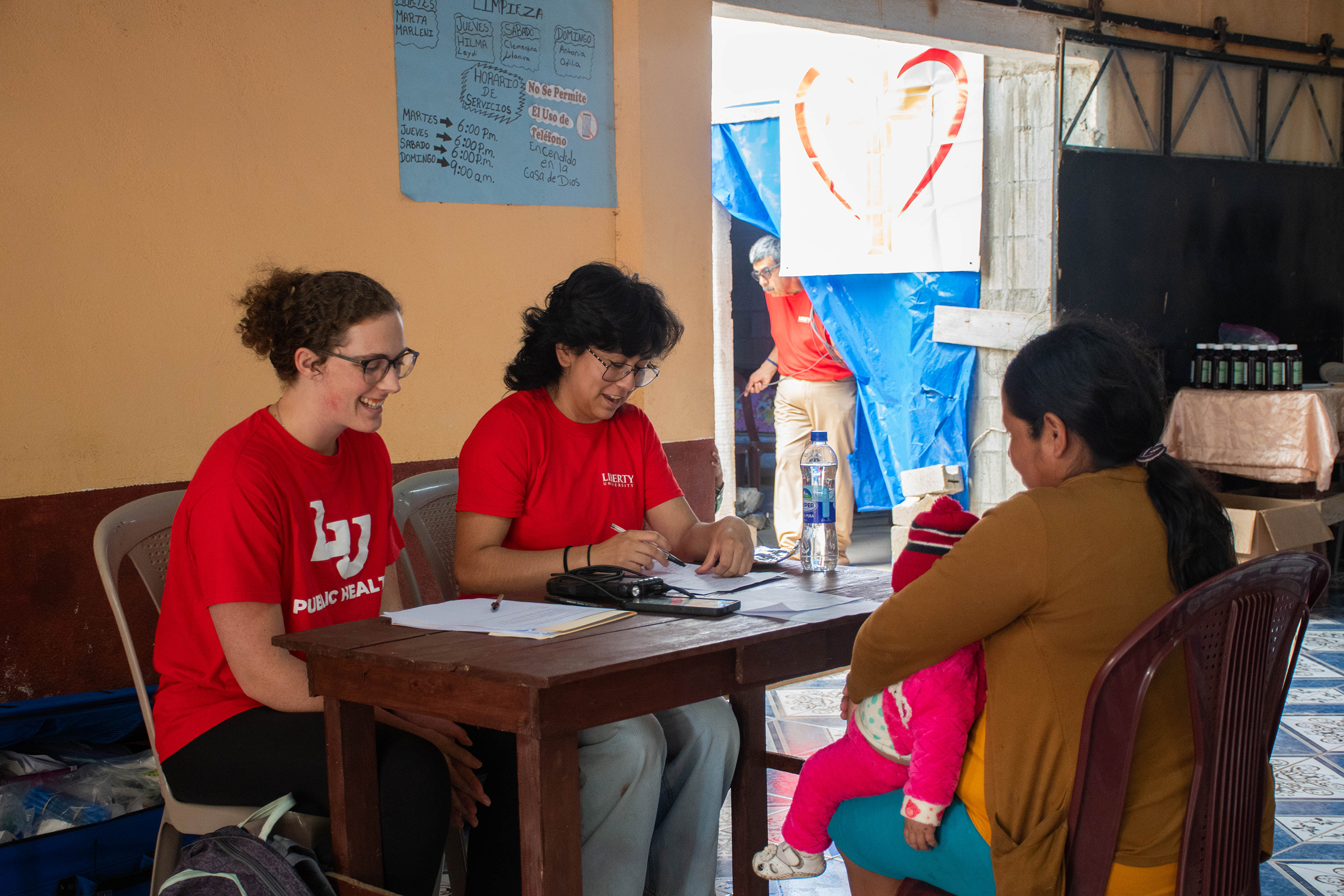
Grace Boundy and Haley Gebhard (’26), students in Liberty’s Master of Public Health program, completed their practicum requirements while on the trip. While Boundy helped conduct various health checks at the screening stations, Gebhard oriented her work around her career interest in maternal and child health, observing the malnutrition of mothers in the region and the causes of a widespread issue in Guatemala: child stunting.
“About 50% of children in Guatemala are stunted, and around 70-80% of all stunted children in Latin America are in Guatemala,” she said. “I was researching what causes child stunting specifically in Guatemala, and a common factor was maternal malnutrition. If there’s a high percentage of children being stunted, and then they grow up and have children who are also (stunted), then it’s a continued cycle.”
She said many mothers aren’t receiving the nutrients they need while pregnant. She said she focused on maternal malnutrition “because mothers are the ones making the decisions for their kids about what they can eat and what preventative measures are taken.”
Much of the malnutrition is not a matter of mothers lacking knowledge of what foods are healthy, Gebhard noted, but rather a limited access to food due to poverty.
“I wanted to talk with women who have had at least one child and ask what their experience has been of food insecurity during pregnancy and breastfeeding,” she said. “I chose a qualitative research design to explore what the realities are in this specific community. There may be a dependence on agriculture, but then there might be climate change or flooding in the area, and that is all impacting their food sources and then food availability and access. With that knowledge, I met with the mothers and asked questions like, ‘What do you eat regularly?’ that would explore what the reality is there.”
Gebhard, who completed Liberty’s accelerated program in which she earned both a bachelor’s and master’s in community health promotion in five years, has now begun Liberty’s Doctor of Public Health – Maternal and Child Health program.
The students also had opportunities to minister to patients as they built relationships and shared the Gospel.
“Once the patients were done with the (medical attention) if they had any sort of mental health issues or any sort of spiritual issues, if they don’t know God and they want to know more, then our ‘soul clinic’ was where they got prayer and someone to speak to,” Attin said. “The people of the community might say, ‘You came here, you helped us, and maybe I want to hear what you have to say about this God who brought you over here. Can you tell us more?’ That opens a lot of doors for those local churches or churches that are trying to start in that area.”
“We would like to thank Dr. DiFrancesca, Dean of the School of Health Sciences, for her continuous support for the project,” he added.
Attin said the Central America trips are a valuable experience for students to see public health enacted thousands of miles away from Liberty’s classrooms.
“They’re in a new place that they’ve never been to, it’s very different from the U.S., and they’re saying, ‘I’m here to honor God, and I’m here to glorify His name through what I’ve learned in school.’ They were able to put theory into practice from what we teach them in the classroom. The students were right on task and did what they needed to do — helping the people, praying with the people, and getting the data necessary to see how we can implement plans that are going to help these populations.”