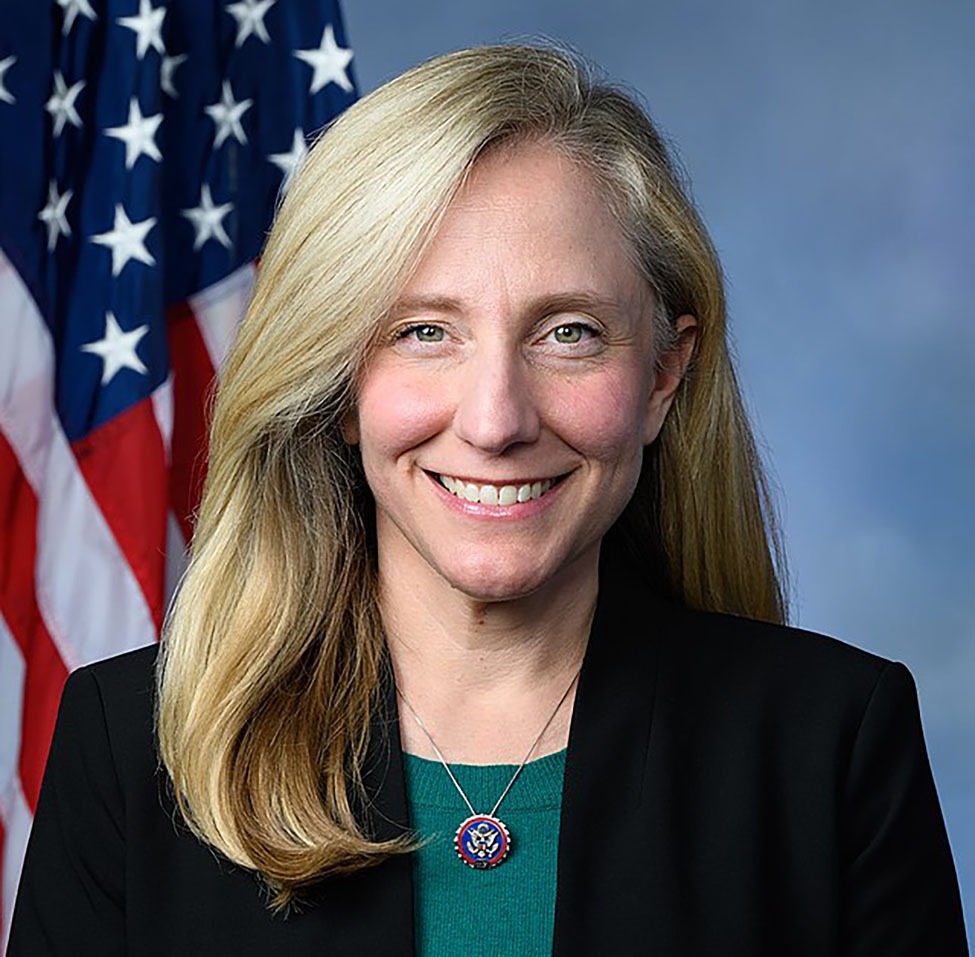
Virginia Gov. Abigail Spanberger signed several proposed constitutional amendments Feb. 6 addressing abortion, same-sex marriage and voting rights, setting up issues that will appear before voters in November.
According to a recent statement, Spanberger said this move empowers voters to decide on important issues.
“Virginia voters deserve the opportunity to respond to the nationwide attacks on our rights, freedoms and elections,” Spanberger said.
One of the amendments Spanberger signed is SJR247, “Constitutional amendment; fundamental right to reproductive freedom,” which would permit fertility treatments and abortion in Virginia as a constitutional right if approved by voters in November.
According to the Virginia Mercury, after signing the amendment, Spanberger emphasized individual autonomy in health care decisions, stating that women in Virginia “deserve the freedom to make their own reproductive health care decisions without politicians dictating their choices.”
Democratic lawmakers and advocacy groups strongly support the proposal. According to the Virginia Mercury, Sen. Jennifer Boysko, D-Alexandria, argued that codifying reproductive rights is necessary after the Supreme Court’s 2022 decision overturning Roe v. Wade.
“This is a reproductive freedom amendment that lets doctors and patients make those decisions themselves,” Boysko said.
In a press release from Virginians for Reproductive Freedom, incoming Campaign Manager Han Jones shared his thoughts on the vote for reproductive rights.
“Virginians voted overwhelmingly for leaders who are committed to protecting the full spectrum of reproductive health care in our state constitution,” Jones said.
However, Republican leaders have voiced opposition. Former Lt. Gov. Winsome Earle-Sears wrote directly on the reproductive rights amendment paperwork.
“I am morally opposed to this bill; no protection for the child,” Earle-Sears wrote above her signature.
In addition, the marriage amendment would repeal the constitutional language that defines marriage as between one man and one woman and affirms equal treatment for all marriages.
Spanberger has framed the repeal as aligning Virginia’s constitution with existing federal law protecting same-sex marriage.
In a press release, Spanberger said, “All Virginians deserve the freedom to marry and for their families to be welcomed in our Commonwealth without the shadow of an outdated and unconstitutional ban on marriage equality lingering in Virginia’s constitution.”
Democratic supporters argue that constitutional language is outdated and should reflect current Supreme Court precedent.
Republican critics, however, have questioned the necessity of revisiting the issue. Some GOP lawmakers have argued that federal protections already safeguard marriage equality and that reopening the constitution for cultural issues creates unnecessary division.
Additional amendments signed by the governor would restore voting rights for convicted felons who have completed their sentences. Currently, those who hold felony convictions permanently lose their voting rights.
Spanberger defended the measure as promoting reintegration, and many Democratic lawmakers echoed this sentiment.
“When Virginians have paid their debt to society, they deserve to regain their right to vote,” Spanberger said, according to the Virginia Mercury.
The proposed amendments passed the General Assembly Jan. 16, meaning Virginia voters will have the final say in November.
Editor’s note: The Liberty Champion reached out to several pregnancy centers and pro-life organizations. However, we did not receive responses.
Clardy is the off-campus news editor.